Tailor Custom Shirts: The Key to a Polished Appearance
Tailor Custom Shirts: The Key to a Polished Appearance
Blog Article
Tailored shirts have long been a staple of refined menswear, offering more than just a fitting garment; they exude a sense of personal style and professionalism. For individuals and bespoke shirts for small business owners, there’s something distinctly appealing about wearing a shirt that fits seamlessly with one's body shape. This article will explore the nuances of tailored shirts, the benefits of bespoke options, and guidance on choosing the perfect fit to suit your personal style and professional needs at. mens dress pants cost. In the world of shirting, distinguishing between 'bespoke' and 'custom' is vital, as both terms embody different levels of craftsmanship and personalization. A bespoke shirt is handcrafted specifically for an individual, built around precise measurements and personal preferences. Tailors take pride in offering an extensive selection of fabrics, styles, and detailing options to ensure every piece is entirely unique. Conversely, custom shirts typically refer to ready-to-wear garments that offer limited personalization, such as selecting a fabric or collar design. Grasping these distinctions is essential when choosing the right approach for your wardrobe. Opting for tailored shirts brings a multitude of advantages. Chief among these is the fit, which is often superior to that of off-the-rack options. While ready-made shirts prioritize convenience, they frequently fail to accommodate diverse body shapes, resulting in discomfort and a less flattering appearance. A well-tailored shirt contours to the body's shape, producing a refined silhouette that improves the overall look of the wearer. This optimal fit not only enhances comfort but also conveys an aura of confidence and professionalism, making tailored shirts perfect for business occasions and formal gatherings. Additionally, tailored shirts provide expanded customization options. From fabric selection to choosing various button styles, the personalization possibilities are nearly limitless. This encompasses adjustments to the collar, cuffs, and fitting around the waist and shoulders, tailored to the individual's preferences. Such customizability is particularly advantageous for those seeking dress shirts that harmonize with tailored suits or reveal their distinct fashion sense. Determining the right shirt for you requires careful consideration of your specific tastes and requirements. Begin by exploring fabric types. Cotton remains a timeless favorite because of its softness and breathability, making it suitable for daily wear, while linen provides a more laid-back vibe, particularly appealing during hot weather. On the other hand, synthetic materials like polyester are known for their durability and low-maintenance qualities, although they might not provide the same comfort level as natural fibers. Next, focus on the fit. Tailored shirts generally come in several fit categories, such as slim, regular, and relaxed fits. Slim fits cater to those who prefer a sleek, modern silhouette, hugging the body slightly, whereas regular fits accommodate more room for comfort while maintaining a sharp appearance. It may take some experimentation to find the style that enhances your frame best, especially when pairing shirts with men's dress pants or tailored suits. Searching for a talented tailor can often resemble a challenging quest. Fortunately, there are multiple avenues to find skilled craftsmen who focus on bespoke tailoring. A practical approach is to enter "custom shirts near me" into your preferred search engine; this will present you with nearby tailors and bespoke shirt makers. Additionally, leveraging recommendations from colleagues or stylish friends can be incredibly helpful; those with an eye for fashion often know the best in the business. Tailors who build their clientele through referrals are typically those you can rely on for high-quality service. Before visiting a tailor, it’s beneficial to have a clear idea of your preferences. Consider bringing examples of shirts that you admire or that fit you well, as well as images of styles you prefer. Openly communicating your desires with the tailor is crucial to ensure they can bring your vision to life. The bespoke experience is at its best when you and the tailor work as a team, allowing for a perfect blend of your personal style with their expertise. To deepen your knowledge about shirts, examining the various types and elements of shirts can simplify what feels complicated and help you identify the right fit and style you want.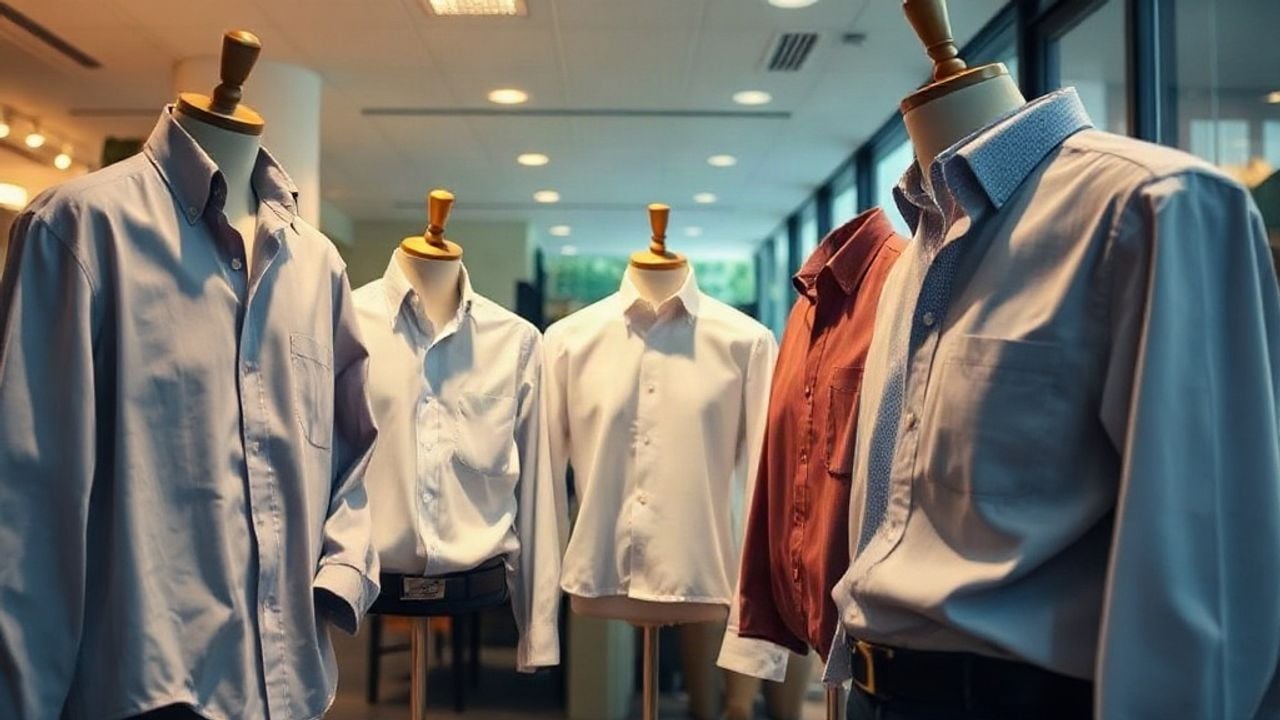 bespoke shirts for small businessmens dress pants
Understanding Bespoke and Custom Shirts
Benefits of Tailoring
Choosing the Best Shirt
Discovering Skilled Tailors and Shirt Makers
tailored shirts
Essential Tips for a Successful Tailored Shirt Experience
Investing in tailored shirts is a rewarding experience when done right. Always communicate your needs clearly and trust the expertise of your tailor.
- Research before selecting a tailor; check reviews and portfolio pieces.
- Don't hesitate to ask for adjustments during fitting sessions.
- Explore different fabric weights based on seasonality and comfort.
- Document any preferences in a checklist to refer back to during fittings.
- Keep an open mind about styles; sometimes the best choices emerge from collaborations with the tailor.
Steps to Choosing and Ordering Tailored Shirts
- Determine Your Purpose: Decide whether the shirt is for casual wear, office attire, or formal occasions. This will influence your choices in both style and fabric.
- Know Your Measurements: Accurate measurements are essential for a well-fitting tailored shirt. If you are unsure about how to measure, many tailors offer consultation services to assist.
- Select Fabric: Explore available fabrics like cotton, linen, or blends. Choose a material that best suits your comfort level and the occasion.
- Choose Style Details: Discuss collar types, cuff styles, and any added personalization, such as monograms or unique buttons. These finer details can make a significant difference.
- Schedule Fitting Appointments: Plan to visit the tailor for fittings, which may require two or more sessions to achieve a perfect fit. Patience is important during the process.
- Review and Adjust: Once the shirt is complete, assess fits and details. Discuss any necessary adjustments with your tailor to ensure complete satisfaction.
Frequently asked questions
What is the difference between bespoke and custom shirts?
Bespoke shirts are tailored uniquely for an individual with specific measurements and fabric selections, while custom shirts may allow some personalization on ready-to-wear options.
Why choose tailored shirts?
Tailored shirts offer a unique fit that enhances comfort and style, allowing wearers to express their individuality and professionalism.
How much do tailored shirts typically cost?
The cost of tailored shirts can vary widely based on fabric choice and craftsmanship, generally ranging from a few hundred to over a thousand dollars.
How long does it take to get a tailored shirt made?
The process can take anywhere from two to six weeks, depending on the tailor’s workflow and the complexity of your order.
Can tailored shirts be made from any fabric?
Yes, tailored shirts can be made from a wide variety of fabrics, including cotton, linen, and blends, offering options suitable for different occasions.
What features should I consider in a tailored shirt?
Features to consider include collar style, cuff type, fabric weight, and specific details like buttons or pleats that reflect your personal style.
Embracing tailored shirts offers an opportunity to enhance your wardrobe with personalized elegance and style. The journey may require some effort, but the results are certainly rewarding.
Investing in bespoke shirts sets a standard of quality in your attire that off-the-rack options simply cannot compete with, giving a distinct edge in both fashion and functionality.